 Ọmọ Oòduà Naija Gist | News From Nigeria | Entertainment gist Nigeria|Networking|News.. Visit for Nigeria breaking news , Nigerian Movies , Naija music , Jobs In Nigeria , Naija News , Nollywood, Gist and more
Òrìsà ni olókun jé, a gbó wípé òun ni ó bí ajé, ó tún jé òrìsà orò àti ti ìsàlè òkun. Olókun ni ó n darí omi ó sì ní àse l’órí gbogbo ìsèdá inú omi . Olókun máa n fún ni ní orò , èmí gígùn abbl. Ajé olókun mo bè ó kí o wá fi ilé mi se ibùgbé (Àse).
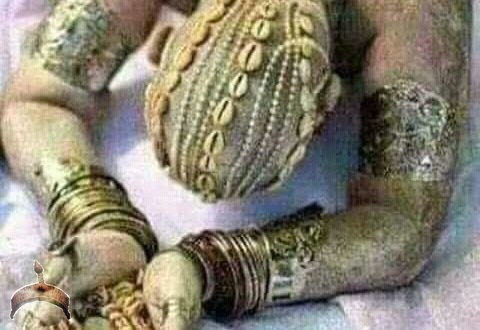

Òrìsà ni olókun jé, a gbó wípé òun ni ó bí ajé, ó tún jé òrìsà orò àti ti ìsàlè òkun. Olókun ni ó n darí omi ó sì ní àse l’órí gbogbo ìsèdá inú omi . Olókun máa n fún ni ní orò , èmí gígùn abbl. Ajé olókun mo bè ó kí o wá fi ilé mi se ibùgbé (Àse).
Tagged with: Àṣà Yorùbá



Classes of Egbe (Heavenly Mate of Every Human) Also known as Alaragbo in some areas of Yoruba land, Egbe is generally more associated with children than with adults according to Eji-Ogbe. Based on the character traits of human on Earth, the Yoruba have classified Egbe into different categories. Ìyálóde Ìyálóde is regarded as the leader of Egbe on Earth. Leadership quality is most evident characteristic of this class of Egbe. Going by the name, it may appear that only females ...