 Ọmọ Oòduà Naija Gist | News From Nigeria | Entertainment gist Nigeria|Networking|News.. Visit for Nigeria breaking news , Nigerian Movies , Naija music , Jobs In Nigeria , Naija News , Nollywood, Gist and more

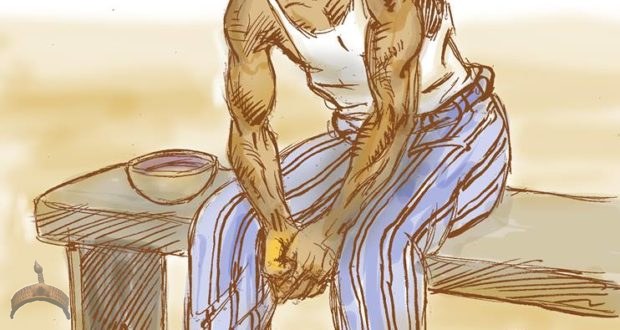
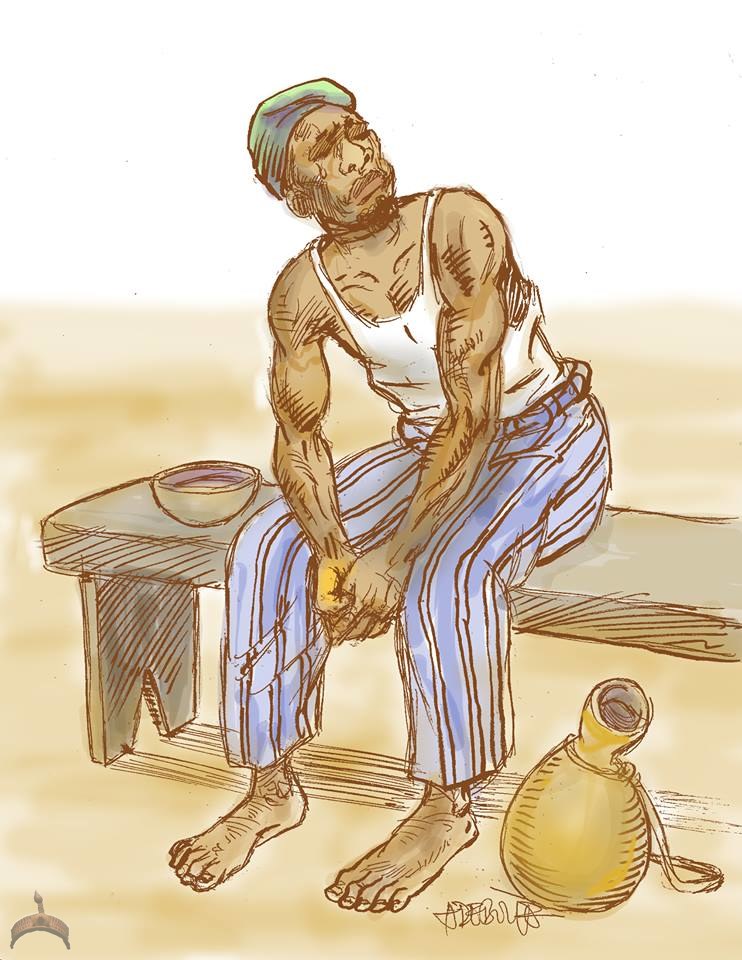
Ilé ọlọ́ti ni ilé ìtura, ibẹ̀ ni àwọn ọ̀rẹ́ ti npàdé fàájì
Ibẹ̀ náà ni àwọn èké, àti ọ̀dàlẹ̀ tin pàdé ara wọn
Ti ọti bá wọra tán, ara a sì rọ̀ wọ́n pẹ̀sẹ̀,
Ìgbéraga á wá wọ̀ wọ́n lẹ́wù
ọ̀rọ̀ á wá di dánmi wò, ngó ṣe bí mo ṣe tó
Bi mí́ léèrè nsèké, ó wá di mo sọọ́ tán, àsírí tú
Ìjà ọ̀dàlẹ̀ kò sì tán bọ̀rọ̀,
ngó gbẹ̀san, ọ̀dàlẹ̀ di méjì
Tani kí a báwí? ṣé ọtí ni?
Tàbí ọlọ́bọ̀bọ̀tiribọ̀?
Adeboye Adegbenro





One comment
Pingback: Ọmùtí Gbàgbé Ìṣẹ́ (Ìrònú Ọlọtí) – Naija Curator