 Ọmọ Oòduà Naija Gist | News From Nigeria | Entertainment gist Nigeria|Networking|News.. Visit for Nigeria breaking news , Nigerian Movies , Naija music , Jobs In Nigeria , Naija News , Nollywood, Gist and more

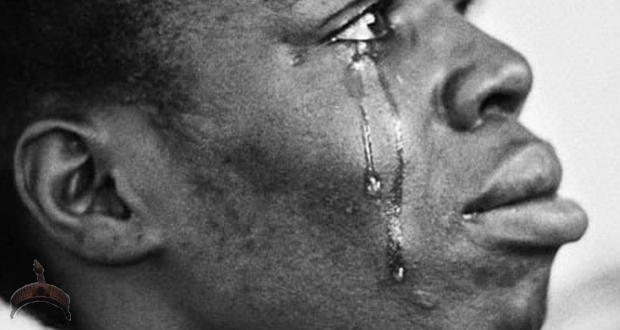
…Mi ò ti è mo bí mo se fé bèrè. Ó dàbí kí ń parí gbogbo rè.
Oko mi sèsè fi mí sílè torí mi ò tíì bímo àti wípé kò fé kí won gba àtò rè àti eyin mi kí won so ó d’omo . A ti ń gbìyànjú fún odún kan àti díè.
Eni tí mo se nkan ribiribi fún òun ló ti fimí sílè yí. Mi ò mo bí mo se fé kojú da àwon ebí mi. Ojú ń tìmí púpò.
Olórun ti kò mí sílè…
Báwo ni mo se fé bèrè ayé tuntun, nítorí kò yémi mó.
Kò le rorùn fún mi nítorí wípé mo ti se ohun ribiribi nínú ìgbéyàwó yí. Mo ti se òpòlopò nkan nítorí ìfé. Ó le gan fún mi àti wípé èmi ló pa lára jù.
Sé mà le là á kojà….
Continue after the page break for English translation!
Pages: 1 2