 Ọmọ Oòduà Naija Gist | News From Nigeria | Entertainment gist Nigeria|Networking|News.. Visit for Nigeria breaking news , Nigerian Movies , Naija music , Jobs In Nigeria , Naija News , Nollywood, Gist and more

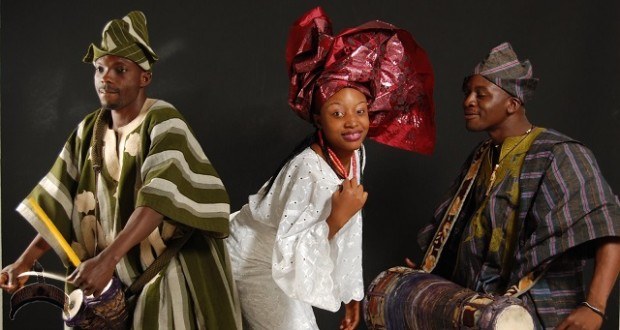
Family Lineage Odes, a Dying Yoruba Culture
Yoruba lineage odes are a way of passing down the family oral tradition from past generations to younger generations, as a means of inspiring them. Through these odes, one can identify one’s family roots, trades associated with one’s family, various types of Yoruba dialect, types of food consumed or forbidden in the family, religious practices, the town where the family is established or originated, successes recorded in the past etc.
As we begin to publish Yoruba odes to family lineages, it is hoped readers will understand why these odes are used, particularly when a man, woman, children and family members are celebrating during house warming, marriage, educational laurel, being honoured with titles or in recent times, birthday celebrations.
The lineage ode is a part of Yoruba culture that is fast disappearing, because many Yorubas are abandoning their language and culture in pursuit of English language and culture. Check out the example of lineage ode published above, from the writer’s mother to inspire the daughter during her birthday celebration.
* Editor’s note: we had a hard time coming up with the English word for “oríkì”. After extensive discussions, we agreed that the Yoruba word “oríkì” is a type of ode. At the same time, a simple translation of the word Oríkì to Ode, does not do the Yoruba word justice. As such, we agreed that the word “oríkì” is a particular type of ode that generally addresses familial lineage. Hence the translation, “lineage ode”.
http://www.theyorubablog.com/oriki-ajobi-a%E1%B9%A3a-yoruba-ti-o-npare-lo-lineage-bard-a-dying-yoruba-culture/