 Ọmọ Oòduà Naija Gist | News From Nigeria | Entertainment gist Nigeria|Networking|News.. Visit for Nigeria breaking news , Nigerian Movies , Naija music , Jobs In Nigeria , Naija News , Nollywood, Gist and more

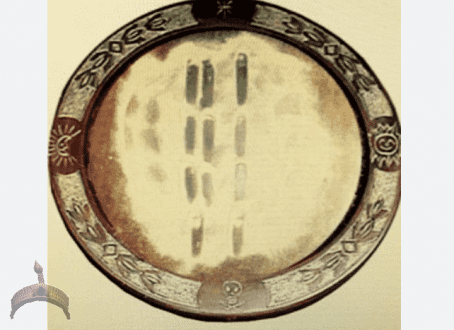
Looking at the Odù, “Ogbè kànràn” cast for today’s Ọ̀sẹ̀ Ifá, I can advise that Ifá shouldn’t be just decorations but served diligently having sacrificed a lot including huge money to acquire it. You should count yourself lucky that you possess an inestimable treasure. Your dedication to Ifa shall never be in vain. Just listen to the stanza as said.
Omi igbó ní ń fojú jọ aró
Omi ẹlùjù ọ̀dàn ní ń fojú jọ àdín
Èkùrọ́ ojú ọ̀nà ó fi ara jọ ikin
Ṣùgbọ́n kò le rí ẹ̀jẹ̀ mu bí ikin
Adífá fún Àlùmọ̀ tí ń lọ ra Ẹ̀dá l’ẹ́rú
Wọ́n ní à fi t’óbá lè sin ẹ̀da rẹ̀
Ó ní òun yóò sín
Ẹ̀dá ni à ń pe Ikin/Ifá
Àlùmọ̀ là ń pe Ọ̀rúnmìlà
Ǹjẹ́ oko mé leè yun
Àlùmọ̀ ẹ wá wo iṣẹ́ Ẹ̀dá ńṣe Àlùmọ̀
Odò mé leè yun
Àlùmọ̀ ẹ wá wo iṣẹ́ Ẹ̀dá ńṣe Àlùmọ̀
Ọjà mé leè yun
Àlùmọ̀ ẹ wá wo iṣẹ́ Ẹ̀dá ńṣe Àlùmọ̀
Bush water looks like dye water
Savannah water looks like palm kernel oil
Roadside palm nuts resemble sacred palm nuts (Ikin)
But cannot be fed with animal blood like the sacred Palm nuts ( consecrated Ikin)
Cast divination for Àlùmọ̀ when going to buy “Ẹ̀dá” as a ‘slave’ (companion)
They asked, “are you going to venerate him?
He answered, “yes, I am going to venerate him
Ẹ̀dá is the name of Ikin( Ifa)
Àlùmọ̀ is the name of Ọ̀rúnmìlà
I am not trained to go to the farm for farming
Àlùmọ̀ ( Ọ̀rúnmìlà ), can you all see the wonders of Ẹ̀dá(Ikin/Ifá )
Neither could I go to the river to do business.
Àlùmọ̀ ( Ọ̀rúnmìlà, can you all see the endowment of Ikin/Ifá
I don’t have the training to go to the market for business
Àlùmọ̀ ( Ọ̀rúnmìlà ), can you all see the abundant blessings from Ẹ̀dá( Ikin/Ifá )
Stay blessed
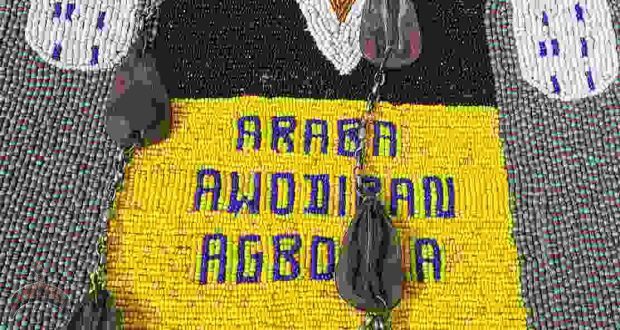
From Araba of Oworonsoki land Lagos Nigeria