 Ọmọ Oòduà Naija Gist | News From Nigeria | Entertainment gist Nigeria|Networking|News.. Visit for Nigeria breaking news , Nigerian Movies , Naija music , Jobs In Nigeria , Naija News , Nollywood, Gist and more

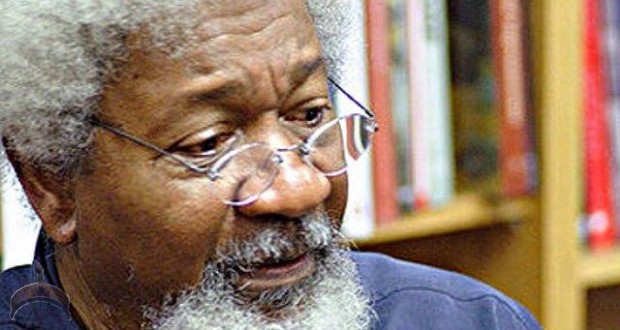
Nobel Laureate, Wole Soyinka has said that corrupt persons in Nigeria must not be allowed to go free if the scourge of corruption is to be properly tackled.
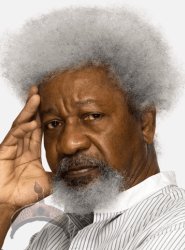
Soyinka also urged President-elect, Muhammadu Buhari to probe whoever needs to be probed and allow the law take its course.
The playwright stated this during an interview with CNBC Africa which was published on April 9, 2015.
“I believe very much in the rule of law – there are laws about corrupt people. All I want to hear and to see from Buhari is, ‘I’m going to allow the law to take its course’, I don’t want to hear promises like, ‘I’m not going to probe this’ – if it is necessary to probe, probe,” Soyinka said.
“If it’s necessary to make examples, make examples because this nation has been robbed, has been raped – there’s no other word for it – and this has been a continuing pattern.
It’s about time that drastic measures are taken to stop this culture of impunity that is transmitted from generation to generation,” he added.
Soyinka also stated that there must be a change in the mind-set of Nigerians before the country can make progress.





: laughing. who are these corrupt Nigerians?
I agree.The Cabinet members of GEJ must be investigated.Those found guilty must be punished.